C major: piano-course lesson 1
Originally published on jonatascastro.com. English edition translated and revised 01 Oct 2026. Historical examples are identified in the text.
I began my piano-course series with major scales, starting with C major. Learning scales makes it easier to recognize patterns and play music in different keys.
C major uses the white keys:
C – D – E – F – G – A – B – C
Watch the original C-major lesson on YouTube
Practice one hand at a time
Learn the right-hand fingering and the left-hand fingering separately. Put the hands together once you can play each part comfortably.
Use a metronome to support a steady pulse. The original lesson suggested starting around 60–65 beats per minute and increasing by two beats at a time. Treat that as a suggestion: choose a slower starting tempo if you need it, and increase only when the passage is comfortable and even.
Pay attention to two forms of consistency:
- Timing: notes should sit evenly against the pulse.
- Sound: aim for an even tone across the scale, including the thumb crossings.
You do not need a dedicated metronome; an app can provide the same basic reference.
A book that helped me
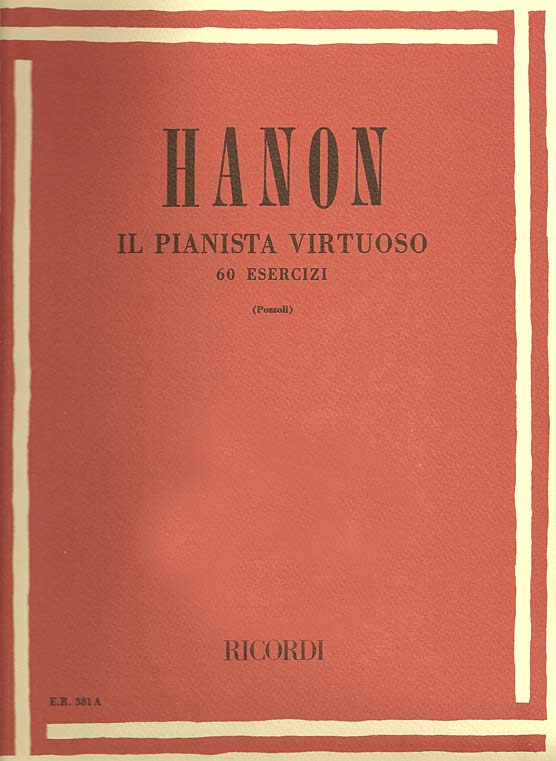
Hanon's The Virtuoso Pianist in 60 Exercises helped me during my own piano studies. Exercises can be useful, provided you play thoughtfully and keep your hands relaxed.
Correction to the original video
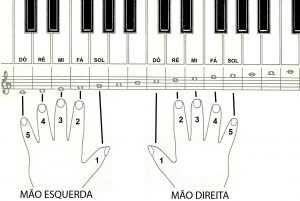
I made a mistake in the video when explaining finger numbers. I described the little finger of the left hand as finger 1. The convention is the same for both hands:
| Finger | Number |
|---|---|
| Thumb | 1 |
| Index | 2 |
| Middle | 3 |
| Ring | 4 |
| Little finger | 5 |
The left-hand little finger is therefore 5, and the right-hand thumb is 1.
Continue with the G-major lesson, which introduces F♯.