How I used to make logos—and what the shortcut missed
Originally published on jonatascastro.com. English edition translated and revised 01 Oct 2026. Historical examples are identified in the text.
A logo is often the most recognizable part of a visual identity. In 2016, I wrote candidly about the shortcut I sometimes used when someone asked me to create one.
I was not a specialist in brand design. I knew my way around Photoshop and Illustrator, but creating an original visual concept was much harder than operating the tools.
The shortcut I described
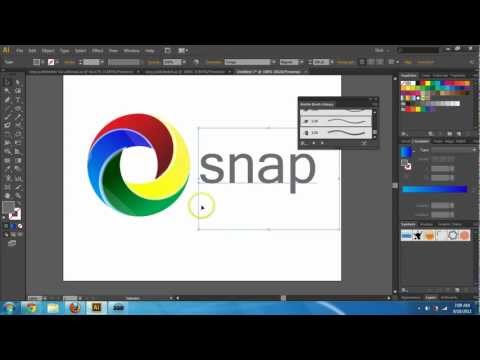
My process often began with an image search for something related to the business. For a car workshop, that might mean searching for a car icon or an existing logo. I would find a promising shape, convert or redraw it as vector curves, and adjust it in Illustrator.
I also described inexpensive online logo generators, where a client could choose a template and customize the text, colors, and layout.
The attraction was speed: someone who needed a simple identity could get a result quickly. Even then, I wrote that I was not particularly proud of treating that shortcut as professional design work.
A better distinction: inspiration, templates, and original design
Those are different kinds of work:
- Inspiration helps you understand a style or a visual problem.
- A licensed template provides an existing asset you are permitted to adapt under its terms.
- Original identity design creates a visual system for a particular business and its needs.
Finding an image in search does not establish that it is available for commercial reuse. A sensible starting point is an original drawing or an asset with appropriate permission, followed by a check that it works at different sizes and in the formats the client needs.
A template can be a practical option when its limitations are understood. It may also be shared by many businesses, which limits how distinctive it can be.
What skilled designers contribute
A designer's work goes beyond drawing a symbol. It includes understanding the business, researching the audience, exploring alternatives, and making the identity work consistently across applications.
Custom work costs more because that thinking and development take time. Comparing it with a quick template only makes sense after deciding what the business actually needs.

The useful lesson from my old workflow is to be honest about the scope: an adapted template and a custom brand identity should come with different expectations.
The Portuguese original also linked to an infographic from Choco La Design. That external image was unavailable during migration and has not been reproduced in this edition.